
Les plus aimés
Pas sûre ?
Votre routine en deux minutes
Cinq questions sur votre peau, et nous vous disons quels soins lui conviennent. Gratuit, sans engagement.
Faire mon diagnosticOur rituals
Deux ou trois soins qui se répondent
Une association pensée pour un besoin précis, des soins choisis pour agir ensemble.
Tous les rituels Lequel pour moi ?
African cosmetics: why A-beauty is winning people over


Baobab, marula, shea, foraha: African cosmetics have moved from niche boutiques to everyone’s bathroom. It is also called A-beauty. Here is where this craze comes from, the African plants that count for the skin, and how to recognize a true skincare product.
For several years now, a new habit has been taking root in our bathrooms: reading the list of ingredients before buying a skincare product. This quest for transparency has brought a major trend to the fore: African cosmetics, or A-beauty, built on African plant-based active ingredients. Baobab, marula, shea, foraha: these names, long reserved for the initiated, are now at the heart of many beauty routines. In France, this curiosity is no longer limited to specialized boutiques. It can now be found on the shelves of major retailers, on social media, and in conversations among natural skincare enthusiasts comparing their finds.
An ancestral pharmacopoeia reclaiming its place in our rituals
For generations, African plants have been used by women to nourish, protect, and soften their skin, without laboratories or marketing packaging. This knowledge, passed down orally from mother to daughter, is now being rediscovered by a beauty industry in search of meaning. It is no coincidence that these active ingredients are gaining popularity: their use has been established over time, long before being studied in a laboratory. This also explains why French brands that have been working with these ingredients for a long time are seeing this interest grow naturally, without needing to create it artificially.
The African cosmetic active ingredients making headlines
Baobab, the tree of radiance
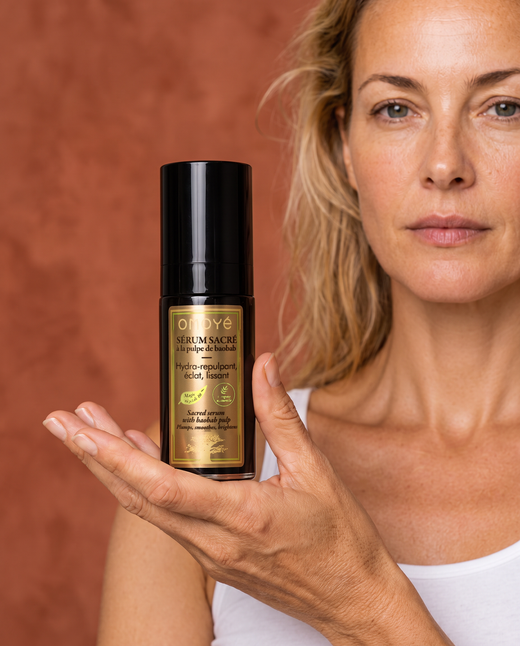
Its pulp is packed with vitamin C, and its seed oil nourishes the skin. The baobab is the totem tree of the Sacred Serum with Baobab Pulp, which revitalizes the skin for more radiance, retextures the grain, and hydrates. To learn more: the benefits of baobab for the skin.
Marula, the oil that nourishes without weighing down
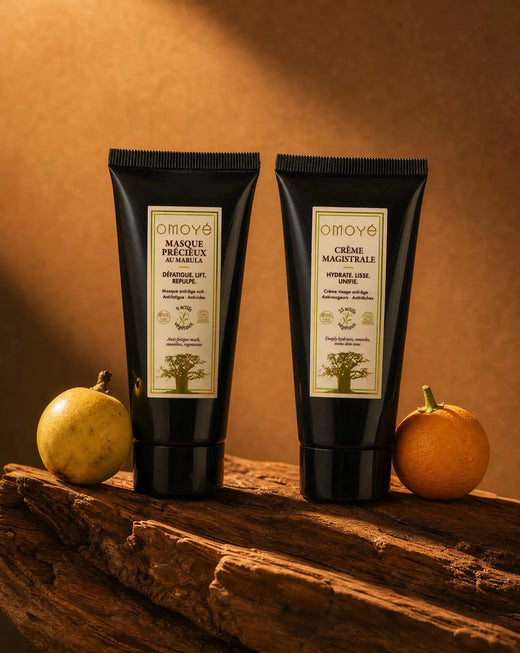
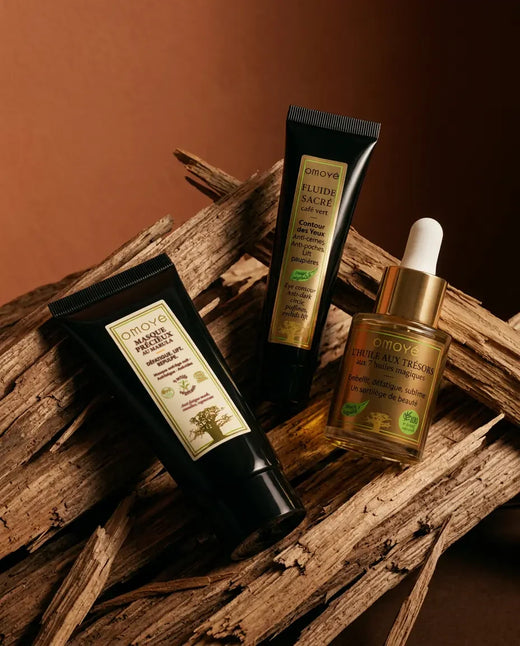
Extracted from the kernel of an iconic fruit of Southern Africa, marula oil is prized for its light texture and nourishing properties. It is one of the key active ingredients in the Precious Marula Mask, a leave-on mask that hydrates, nourishes, plumps the skin, and erases signs of fatigue.
Foraha, the soothing ally
Foraha is the Malagasy name for tamanu, a tree from the coasts of Madagascar and the Indian Ocean. Elders say it "cuts the fire." It is the totem tree of the Beneficial Foraha Oil, combined with 8 other oils to soothe redness and irritation, making it ideal as an after-sun treatment. Everything you need to know about this active ingredient: foraha oil and its benefits for the skin.
Shea, the butter that protects
Harvested in West Africa, shea butter has been used to nourish, protect, and soften the skin for generations. It is found in the Magic Balm, an SOS balm with 25 plant-based active ingredients, an ally for dry, stressed skin damaged by wind, sun, or cold. Its uses in detail: shea butter for facial skin.
African plants for the skin: how to recognize a true skincare product
The success of African cosmetics has a downside: the word "Africa" sometimes appears on skincare products that only contain a trace of it. Three simple rules are enough to tell the difference.
- Look for the Latin name in the INCI list. Baobab: Adansonia Digitata. Marula: Sclerocarya Birrea. Shea: Butyrospermum Parkii. Foraha: Calophyllum Inophyllum. Moringa: Moringa Oleifera. The higher up the ingredient appears in the list, the more of it is present in the formula.
- Check for a label. A third-party label like Ecocert monitors the natural origin of ingredients and the formula. A "natural" claim without a label is only as good as the brand’s word.
- Check the actual origin of the active ingredient. Not all precious oils come from Africa. Buriti, often grouped alongside them, is an Amazonian palm tree: buriti oil has its own article.
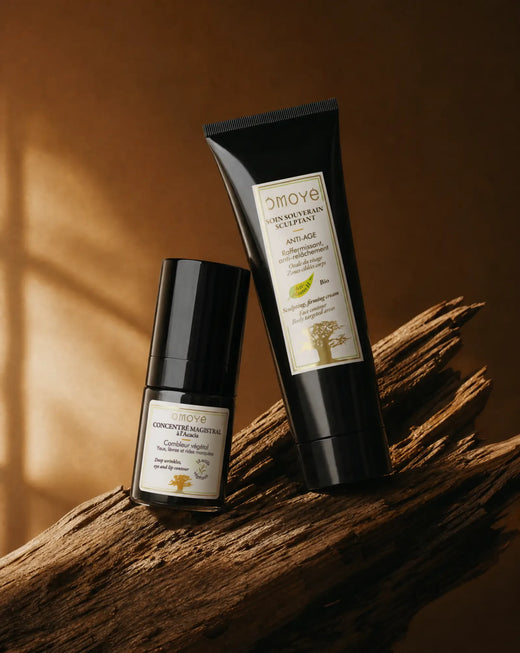
Beyond the four stars, other African plants are worth exploring. Acacia, a desert tree that survives everything, and moringa, nicknamed the tree of life, are two good examples. At OMOYÉ, each product is built around a totem tree, surrounded by plants chosen for their cosmetic properties, and the whole range is Ecocert certified.
Why this trend is here to stay
Unlike some passing fads, the craze for African active ingredients is based on solid foundations. First, usage: these plants have been part of beauty rituals for generations. Second, transparency: in an era where greenwashing worries more and more consumers, knowing the precise origin and history of an active ingredient has become an important selection criterion. Finally, sustainability: responsible supply chains help promote local expertise while limiting environmental impact.
There is also a more sensory dimension, often underestimated. The textures of these vegetable oils and butters, rich without being greasy, offer a different application experience. This pleasure of use, simple but real, encourages consistency in one's beauty regimen, and it is consistency that makes the difference over time.
How to integrate African cosmetics without making life complicated
There is no need to overhaul your entire routine overnight. The simplest way is to start with a multi-purpose product that is easy to incorporate into daily life. The Magic Balm is a great entry point: it can be applied at any time, on both face and body, and allows you to discover the richness of African active ingredients without complicating your existing routine.
Still hesitating between baobab, marula, or shea? The OMOYÉ skin diagnostic will guide you through a few questions to the skincare products and plants that correspond to your skin.
This trend is not just about ingredients. It is also a different way of thinking about beauty, closer to traditional knowledge and more attentive to the origin of what we apply to our skin. One thing is certain: African plant-based cosmetics are here to stay.
Publié le 30 juin 2026 · Mis à jour le 24 septembre 2026 · Par Omoyé


Comments